Understanding the psychological triggers that drive gambling behavior
The Thrill of Uncertainty
The excitement of not knowing the outcome is one of the most significant psychological triggers that drive gambling behavior. This element of surprise creates a rush of adrenaline, which can lead to a heightened state of arousal. Many gamblers become hooked on this emotional rollercoaster, often returning for more despite the risks involved. To truly appreciate the dynamics of these games, you can learn more about how different platforms enhance the experience. The anticipation before a spin of the roulette wheel or the flip of a card fuels a desire for that next exhilarating moment.
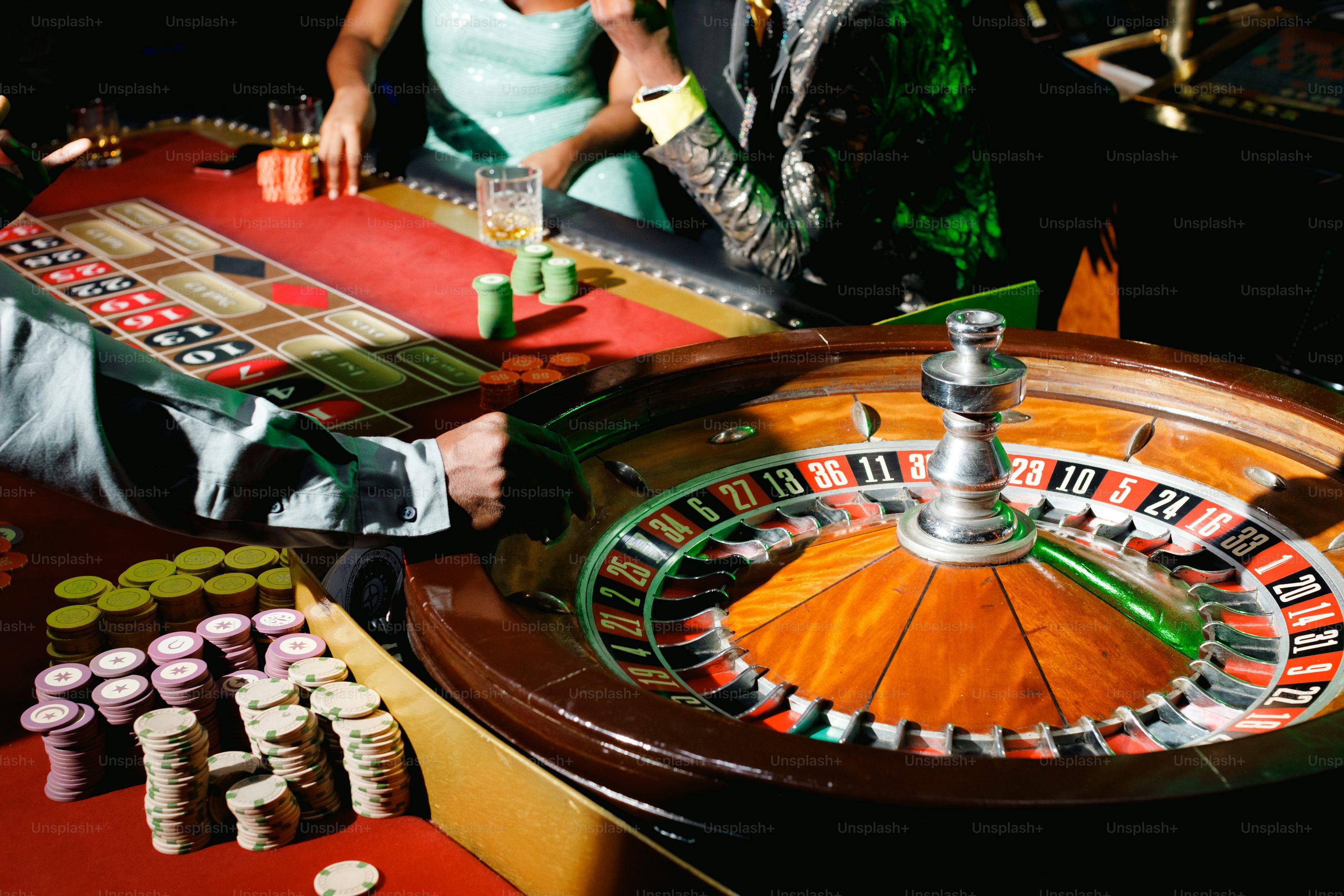
This thrill can be psychologically addictive, as it offers an escape from daily routines and responsibilities. Gamblers often report a sense of freedom and exhilaration when engaged in high-stakes experiences, which reinforces their behavior. This craving for uncertainty can overshadow rational thinking, leading individuals to chase losses or gamble more than they initially intended.
The Role of Cognitive Biases
Cognitive biases, such as the illusion of control and availability heuristic, play a crucial role in gambling behavior. The illusion of control is a psychological phenomenon where individuals believe they have more influence over random outcomes than they actually do. For example, a gambler might believe that their strategies can affect the odds, leading them to make riskier bets.
Similarly, the availability heuristic causes people to rely on immediate examples that come to mind when evaluating a situation. If someone frequently hears about big wins, they may underestimate the likelihood of losing, further driving their gambling activity. These cognitive biases can create a false sense of confidence that perpetuates the cycle of gambling.
The Social Aspect of Gambling
The social environment surrounding gambling also influences behavior significantly. For many, gambling is not just about the potential financial rewards but also about social interaction. Whether in a physical casino or an online platform, the communal atmosphere can encourage individuals to participate and take risks they might otherwise avoid.
The social acceptance of gambling, combined with peer influence, can amplify gambling behavior. Friends and family who gamble can create an environment where it seems normal or even expected to engage in such activities. This social reinforcement can lead to increased participation, sometimes resulting in gambling becoming a central part of one’s social life.
The Emotional Connection to Winning and Losing
The emotional highs and lows associated with gambling play a crucial role in sustaining engagement. Winning can generate feelings of euphoria, while losing often leads to frustration or sadness. However, many gamblers focus on the highs and ignore the lows, perpetuating the cycle of gambling.
This emotional rollercoaster can create a dependency on the feelings associated with winning, leading individuals to chase that high even after experiencing significant losses. Understanding this emotional connection is essential for recognizing the potential risks associated with gambling behavior.
Exploring Responsible Gambling Options
Understanding the psychological triggers behind gambling behavior is crucial for promoting responsible gambling practices. It is vital for players to recognize their emotional states, cognitive biases, and social influences to make informed decisions. Educational resources that highlight these triggers can help individuals develop healthier gambling habits.
In addition to awareness, seeking support and guidance from professionals can provide strategies to mitigate harmful gambling behaviors. Organizations dedicated to promoting responsible gambling offer valuable tools and resources, ensuring that individuals can enjoy gaming as a form of entertainment rather than a compulsive behavior.
Leave a Reply