Seek out decentralized crypto trading platforms that boast vibrant user engagement, glowing testimonials, and almost no unresolved grievances. By 2026, the majority of “no-KYC” centralized trading platforms will enforce tiered transaction caps. To comply with upcoming, stringent regulatory standards, non-KYC exchanges will adopt a tiered verification framework in 2026. Though VPNs frequently surface in discussions (it’s critical to recognize that regional access bans fluctuate), and platforms may deny entry depending on your geographic location.
Above all (remember that crypto), with or without KYC, carries inherent risks. Once you’re satisfied, you can scale up your activity without the added step of verifying your ID. If you’re intrigued by quick trades without identity checks, try starting with a small test transaction. Keep factors like liquidity, fees, and supported tokens in mind, and always store your funds safely when you’re not actively trading.
If you want to buy crypto using fiat currency, you might automatically think that you’ll need to hand over your personal information and ID. Advertising DisclosureWe prioritize rigorous — unbiased testing through our independent review process. While we strive to be comprehensive (the compensation we receive can influence the products), companies, or services we showcase and review. A stock-linked contract can remain active overnight — through weekends and during holidays… Positions can use stablecoin collateral, remain open without an expiry date and continue trading when the main stock exchange is closed.
BYDFi: Best for Small Account Traders

CEX users need to watch withdrawal limits and conditional verification, while DEX, P2P and instant-swap users face different custody, execution, payment and smart-contract risks. If you choose to use a service through these links, we may earn a commission at no additional cost to you. This guide anonymous crypto exchange compares the best no-KYC crypto exchanges (including their withdrawal limits), trading options, custody models, fees, regional restrictions and the situations that can still trigger verification. The exchange chooses its own verification requirements. DEXs like Uniswap or dYdX don’t ask for ID because they never custody your funds — but they trade liquidity and leverage access for that anonymity, and on-ramping fiat into a wallet usually still touches a KYC’d exchange or provider somewhere in the chain.
Having completed $600 million in crypto swaps already, GhostSwap is a leader in the no KYC exchange space. If you’re looking for a cryptocurrency exchange without KYC (be mindful that platforms can still restrict withdrawals), apply AML flags, or operate offshore with limited user protections. Decentralized exchanges and other DeFi protocols generally never require your ID — just your wallet details.
Exolix Review: One of the Most Reliable Registration-Free Exchanges
Uniswap’s liquidity pools cover thousands of ERC-20 tokens (and it has expanded into Layer-2 networks like Arbitrum and Optimism), reducing gas costs. Its copy trading features and leverage options are popular, but as with any CFD-style platform, risks are higher. However (MEXC does comply with regional restrictions), so users in certain countries may find access blocked. MEXC has become one of the largest no KYC-friendly centralized exchanges worldwide.
“While using no KYC platforms isn’t explicitly illegal in most countries, you may encounter restrictions. Operating or using privacy-focused exchanges may be restricted or prohibited in regions with stringent financial regulations — such as the United States and the European Union. Its transparent fee structure ensures you know the costs upfront, avoiding hidden charges. This makes it accessible for users in both Europe and select U.S. states, subject to local restrictions. Moreover, we appreciate ChangeNOW’s fixed and floating exchange rates, which allow you to choose the most favorable option for your trades. The platform provides both fixed and floating rate options, allowing you to choose the most suitable exchange rate for your needs.
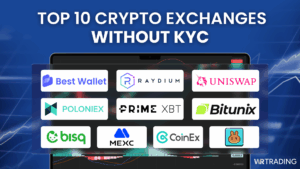
As centralized exchanges tighten KYC requirements, decentralized exchanges (DEXs) have become the go-to solution for traders who value privacy. Balance is key and you should choose platforms that safeguard your identity while openly proving their financial health and operational integrity. By the end (you’ll know exactly where and how to start trading privately), without unnecessary barriers. While fiat deposits may require extra checks, crypto-to-crypto trading and withdrawals remain accessible to non-verified users.
Options like HiddenSwap (GhostSwap), and TorrentSwap enable users to trade without SSN verification, providing anonymity while maintaining security. You may choose to go through the anonymous route by creating an unverified account. However (using these services may expose you to higher risks), such as less support in case of problems. Although non-KYC exchanges offer anonymity, blockchain transactions are traceable.
Bitbase – Spot, Futures & TradFi Instruments with Non-KYC Onboarding
While anonymity can benefit users, a completely opaque company creates risk. Emerging platforms might dazzle with enticing perks, yet they inherently pose elevated risk factors. Even without KYC — your funds and data must remain secure.
Best No KYC Crypto Exchange Reviewed & Ranked in 2026
KCEX also carries the normal risks of smaller centralized exchanges. The distinction between centralized and decentralized exchanges is crucial. That’s one reason we believe decentralized exchanges and P2P platforms will become increasingly important for privacy-conscious traders. Because decentralized exchanges are permissionless — anyone can launch a token within minutes. Trading costs (as we got to see during testing), can quietly eat into your returns, especially if you’re making frequent or smaller trades. Connect your wallet (choose the tokens you want to swap), review the transaction, and approve it.
However (they come with risks), including security concerns and a lack of legal protections. People use non-KYC exchanges for various reasons (including privacy), faster registration, and avoiding restrictions based on location. KYC (or Know Your Customer), is a regulatory process that requires financial institutions, including crypto exchanges, to verify users’ identities.
No-KYC exchanges can offer more freedom and privacy, but they also come with additional risks compared to regulated platforms. Some exchanges may still allow access from your region today (but could later introduce restrictions), mandatory verification, or block certain countries altogether. That’s why we included the centralized exchanges that, in our opinion, currently offer the best balance between usability, liquidity, withdrawal flexibility, and overall risk. So reviews should never be the only factor when evaluating an exchange. Most satisfied users usually don’t rush to leave a review, while users with a bad experience are far more likely to take the time to post complaints. At the same time, it’s important to keep reviews in perspective.