The Role of Luck in Gambling
Luck is often perceived as a significant factor in gambling, especially in games of chance like slot machines and roulette. These games are designed to be unpredictable, relying heavily on random outcomes. For many players, a winning streak can feel like an incredible stroke of luck, reinforcing the belief that chance plays a dominant role. However, the outcomes in these scenarios are largely governed by randomness and probability, which means that while luck can lead to a temporary advantage, it does not guarantee long-term success. Players looking for an engaging experience might explore options like instant withdrawal casino platforms, but it’s essential to recognize that these instances are often outliers rather than the norm.
Moreover, it is essential to understand that casinos use mathematical models to ensure their profitability. Games are structured so that over time, the house edge ensures that the casino will profit, regardless of individual player luck. This means that while an individual may experience luck in the short term, statistically, the odds are against them over an extended period of play. Thus, the thrill of luck can be an exhilarating experience for players, but it must be balanced with an understanding of the game’s mechanics and odds. The excitement of a lucky win can easily overshadow the reality of the game’s design, which is ultimately skewed in favor of the house.
For many, the experience of gambling is intertwined with luck, as players often recount their most memorable wins. These stories fuel the myth that luck alone can lead to consistent success in casinos. As a result, players might overlook the importance of strategy, skill, and bankroll management that can influence their overall experience. Ultimately, while luck is undeniably a part of the casino experience, it should not overshadow the necessity for informed decision-making and strategic play. Players should aim to cultivate a mindset that appreciates luck but also emphasizes disciplined gambling practices to mitigate losses over time.
Skill vs. Luck in Casino Games
Within the realm of casino games, the debate between skill and luck is often prominent. Certain games, such as poker and blackjack, require a level of skill and strategy that can significantly impact the outcome. Players must not only understand the rules but also employ tactics that can give them an advantage over their opponents or the house. For instance, knowing when to bluff in poker or when to hit or stand in blackjack can mean the difference between winning and losing. In these cases, informed decisions and experience can often prove more valuable than mere luck, showcasing that skill can directly affect success rates in these games.
Conversely, in games like slots or roulette, the outcome is predominantly based on chance. Players have no control over the results, and despite their strategies or faith in luck, winning is largely a matter of hitting the right combination at the right moment. This stark contrast helps to illustrate that not all casino games are created equal in terms of the influence of skill versus luck. Understanding the dynamics of each game can significantly change how players approach their gambling experience. Players must evaluate their strengths and weaknesses and choose games that align with their skill level to maximize their enjoyment and potential success.
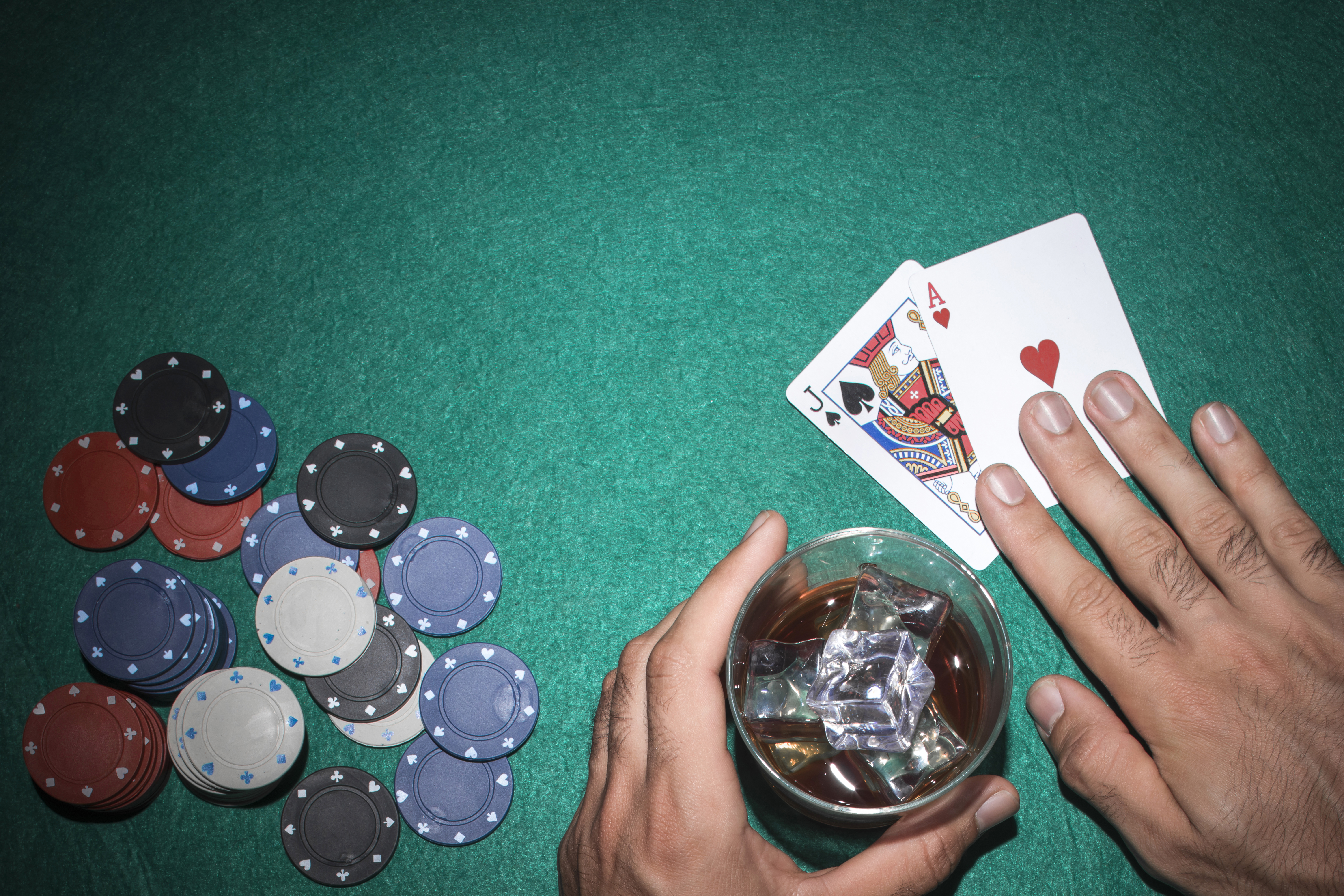
The expertise involved in skill-based games often leads to the formation of communities and resources aimed at improving strategies and techniques. Enthusiasts devote time to studying odds, learning about bluffing in poker, or mastering card counting in blackjack. These players tend to have a higher level of success over time compared to those who rely solely on luck. Therefore, while luck can certainly play a role in the immediate outcome of a game, a strategic approach can often yield better results in the long run. The ability to analyze situations and make calculated decisions is paramount for those aiming to thrive in skill-based casino games.
The Psychological Aspect of Luck in Gambling
The psychological effects of luck in gambling are profound and can influence decision-making and behavior. Many gamblers develop a belief in luck as a guiding force, which can lead to a phenomenon known as the “gambler’s fallacy.” This belief holds that if a particular outcome has occurred several times, the opposite result is more likely to occur in the future. Such misconceptions can lead to irrational gambling behaviors and an overreliance on luck, often resulting in significant losses. Players may chase their perceived luck, leading to a continuous cycle of betting without a grounded strategy.
Additionally, the concept of luck is often romanticized within popular culture, portrayed in stories, movies, and media where individuals succeed against all odds. This glimmer of hope can motivate players to chase their own perceived fortune, neglecting the statistical realities of gambling. Feelings of euphoria from wins can create positive reinforcement, further solidifying the belief that luck will guide future decisions. However, this can also lead to dangerous habits, where players ignore the importance of managing their bankroll and setting limits.
The emotional highs and lows of gambling can skew a player’s understanding of their relationship with luck. When experiencing a win, the gambler may feel invincible, leading to riskier bets and a false sense of security. Conversely, a losing streak can foster feelings of despair and hopelessness, driving players to chase their losses. Understanding these psychological factors is crucial for fostering a healthy approach to gambling, ensuring that individuals recognize the balance between luck, strategy, and emotional management during their gaming experiences. This awareness can help players make more informed decisions and establish healthier gambling habits.
Can Strategy Mitigate the Role of Luck?
While luck is an inherent part of gambling, employing a solid strategy can help mitigate its influence on outcomes. Players who take the time to learn the rules, strategies, and probabilities of their chosen games often find that they can enhance their chances of success. For instance, in poker, the use of strategies such as position play or understanding opponents can lead to more favorable results. Similarly, in blackjack, utilizing card counting can provide a mathematical edge that allows skilled players to make more informed betting decisions. These strategies highlight the importance of preparation and knowledge in overcoming the randomness of luck.
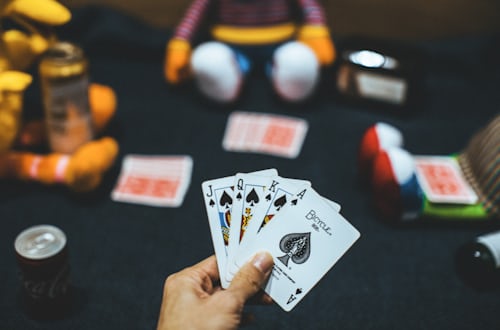
Moreover, adopting effective bankroll management practices is an essential component of a successful gambling strategy. By setting limits on how much to wager or determining when to walk away, players can diminish the risky impulses that often accompany gambling decisions. This approach allows players to engage in the thrill of casino games while maintaining control over their finances and minimizing the potential negative impacts of luck-driven gambling. Such discipline is vital for long-term enjoyment and can prevent the pitfalls associated with chasing losses or betting recklessly.
Ultimately, melding strategy with an understanding of luck creates a more nuanced approach to casino games. Players who recognize that some luck is unavoidable while simultaneously honing their skills will likely have a more sustainable and enjoyable experience. This blend of strategy and acknowledgment of luck can lead to a healthier relationship with gambling, where players can celebrate wins without falling victim to the pitfalls of bad luck. By focusing on skill development and sound financial practices, players can enhance their overall gaming experience and find satisfaction in their strategic efforts.
Conclusion: Balancing Luck and Strategy in Gambling
In conclusion, while luck undeniably plays a role in casino success, it is crucial not to overlook the importance of strategy, skill, and psychological factors in the gambling experience. The truth lies in the intricate balance between these elements; understanding how they interrelate and impact outcomes can significantly enhance a player’s approach to gambling. Knowledge and awareness can create a more fulfilling and responsible gambling experience. Players should accept that luck may dictate short-term results, but employing reasoned strategies can improve their chances in the long run.
By embracing both the unpredictable nature of luck and the value of skill, gamblers can develop a more rounded understanding of their gaming practices, which ultimately leads to more informed decisions and potentially greater success. As you explore the fascinating world of casinos, remember that while luck is an exciting aspect, it shouldn’t be the sole basis of your gambling philosophy. Instead, combine your winning streaks with strategic learning and responsible gambling practices to enhance your overall experience.
Finding that balance is key to enjoying the thrill of the game while recognizing that success often comes from preparation, knowledge, and sensible management rather than luck alone. By integrating strategic thinking with an appreciation of luck’s role, players can navigate the highs and lows of gambling in a way that promotes not only enjoyment but also a deeper understanding of their gaming habits.