The allure of light and sound
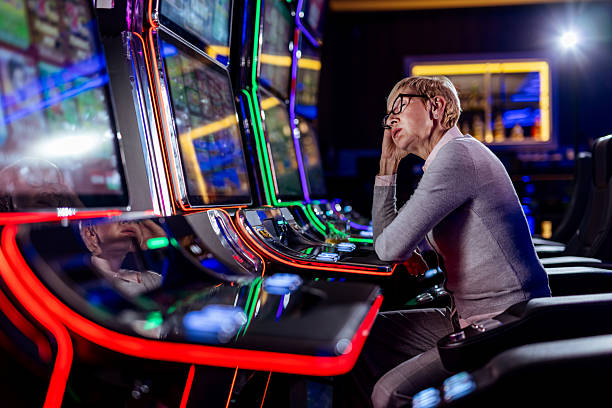
One of the most striking elements of casino design is the use of light and sound to create an immersive experience. Casinos often employ bright, vibrant lights that catch the eye and create a lively atmosphere. This visual stimulation plays a crucial role in attracting visitors and keeping them engaged, especially at an instant withdrawal casino where players seek quick rewards. The strategic placement of lighting, such as spotlighting slot machines or illuminating gaming tables, draws attention and encourages players to explore further. Lighting not only enhances the aesthetic appeal but also serves a psychological purpose, creating a sense of excitement and anticipation.
Sound is equally vital in crafting the casino environment. The alluring jingles of slot machines, the cheers of fellow players, and the rhythmic sounds of dice rolling or cards shuffling contribute to a dynamic soundscape. These auditory cues are designed to heighten emotions and create a sense of community among players. Research suggests that certain sounds can trigger feelings of happiness and excitement, making players more likely to stay longer and engage with the games. This synergy between light and sound is a carefully curated strategy to keep visitors engrossed in the experience.
Moreover, the combination of light and sound creates a sensation of euphoria that can be addictive. The brain releases dopamine in response to rewarding stimuli, which can be triggered by both visual and auditory feedback in the gaming environment. This phenomenon not only enhances the enjoyment of the games but also encourages repeat visits, as players seek to relive the exhilarating experience. Understanding the psychological impact of these sensory elements is crucial for casino designers aiming to create spaces that captivate and retain their audience.
Layout and flow in casino architecture
The layout of a casino is meticulously designed to influence player behavior. Architects and designers often create a maze-like structure to encourage exploration and minimize the likelihood of patrons wanting to leave. By strategically positioning gaming areas, restaurants, and entertainment venues, casinos can create a flow that keeps visitors wandering through the space. This deliberate layout extends engagement time, as players are often drawn from one area to another, discovering new games and experiences along the way.
Moreover, the placement of high-stakes areas versus lower-stakes zones is also a psychological tactic. High-stakes gaming areas are often secluded, providing an exclusive feel that can entice players to take risks. Meanwhile, more casual gaming spaces are designed to be open and inviting, encouraging newcomers to engage with the games without intimidation. This separation allows casinos to cater to various player demographics, maximizing their reach and ensuring that every visitor feels comfortable and entertained.
Creating sightlines within the casino is another important aspect of layout design. Designers often ensure that popular gaming areas are visible from various points in the casino. This visibility not only creates a sense of buzz and excitement but also motivates players to try their luck on games they might not have initially considered. The interconnectedness of space facilitates social interaction, as players can easily gather and share experiences with friends, further enhancing the ambiance of the casino.
Emotional connections through themes and decor
Themes play a pivotal role in the emotional engagement of casino-goers. By incorporating specific themes, casinos can create narratives that resonate with visitors. For instance, a casino inspired by the glitz and glamor of Las Vegas can evoke feelings of indulgence and luxury. Similarly, a theme based on an exotic locale can transport players to a different world, enhancing their emotional connection to the environment. This psychological engagement is crucial in making the casino experience memorable.
The decor within a casino also contributes significantly to the psychological impact on players. Elaborate designs, such as ornate chandeliers, plush carpets, and striking artwork, create an atmosphere of opulence that entices visitors. Color psychology also plays a role; warm colors like red and gold can stimulate excitement and are often used in areas where high-energy activities take place. Conversely, cooler colors may be found in relaxation zones, promoting calmness and comfort, inviting players to unwind after a gaming session.
Moreover, thematic decor can be used strategically to influence player behavior. For example, lots of visual stimulation and busy aesthetics can energize patrons and encourage them to stay longer. In contrast, quieter, more serene environments can be designed to help players feel more relaxed and willing to engage in longer sessions of play. Understanding these emotional connections allows casino designers to create spaces that cater to the diverse needs of their audience, ensuring a fulfilling gaming experience.
Psychological pricing strategies
Pricing strategies in casinos are intricately linked to psychology. Many casinos utilize pricing models that are designed to exploit cognitive biases, encouraging players to spend more money than they initially intended. For example, offering games with a low entry fee can create a perception of affordability, luring players in. Once inside, however, the allure of higher-stakes games and enticing promotions encourages them to extend their spending. This psychological trickery is essential in fostering a sense of urgency and excitement among patrons.

Another common strategy is the use of ‘near-miss’ scenarios, particularly in slot machines. These machines are programmed to display outcomes that come close to winning, which can artificially boost the player’s perception of chance. This psychological phenomenon leads players to believe they are on the verge of a win, compelling them to play longer and wager more. The thrill of these near-wins taps into the players’ emotions, reinforcing the positive experiences they associate with the machines.
The concept of ‘loss aversion’ is also utilized in casino pricing. Players often feel the sting of losing money more acutely than the joy of winning. As such, casinos design their games to encourage players to keep trying to win back what they lost, leading to prolonged gambling sessions. This psychological mechanism effectively keeps players engaged and willing to risk more money in hopes of recouping losses, highlighting the complex relationship between pricing and behavior in casino settings.
Enhancing the user experience on our website
Our website offers a wealth of information regarding the psychology behind casino designs, catering to a broad audience from casual gamers to industry professionals. We delve deeper into the nuances of casino elements, exploring how sound, lighting, layout, and decor contribute to the overall gaming experience. Our goal is to educate users on the complexities of casino environments, empowering them to understand the strategies that enrich their visits.
Through engaging content, interactive features, and expert insights, we aim to create an immersive online experience reflective of the exciting world of casinos. Our resources are carefully curated to ensure that readers can easily navigate through topics that interest them, including trends in casino architecture and the latest innovations in gaming technology. By providing valuable knowledge, we strive to enhance the appreciation of the psychological tactics at play in casino design.
In addition, our website serves as a platform for discussion and community engagement. We encourage visitors to share their thoughts and experiences, as well as interact with experts in the field. By fostering a sense of community, we hope to create an engaging environment that mirrors the excitement and social interaction found within casinos themselves. The insights gained from these interactions further enrich our content, ensuring that it remains relevant and informative for all who seek to understand the world of casino design.