Greetings to WinRolla Casino, your top destination for a secure and exciting real money gaming adventure designed for Canada. We recognize picking an online casino is about trust and safety as much as entertainment. That’s why we built our platform with a player-focused philosophy, blending robust security with a large library of top-tier games. Our dedication is to deliver a seamless journey, from your first secure deposit to every fun spin and withdrawal. This guide takes you through everything necessary to navigate WinRolla with confidence. You can concentrate on enjoying a world-class casino experience from home, knowing you’re in secure, responsible hands every step of the way. We emphasize your peace of mind so the fun never has to be compromised.
Comprehending Safe Online Casino Gaming
Security is the essential foundation of a rewarding online casino journey. At WinRolla Casino, we describe “safe play” as a holistic concept covering economic security, data protection, game fairness, and personal responsibility. It originates with our strict licensing and regulation, ensuring our practices are audited to high international standards. This oversight guarantees our games are provably fair, using certified Random Number Generators (RNGs) so every card played and slot spin is completely random. Beyond algorithms, we employ state-of-the-art SSL encryption as an impenetrable digital shield for all transactions and personal data. Your deposits, withdrawals, and private information are encrypted and safe from unauthorized access. We maintain an informed player is a safe player, so transparency in terms, clear game rules, and accessible tools for setting personal limits are key to our platform’s design.
The Foundations of Security: Licensing and Encryption
The bedrock of our security is our official gaming license—a firm commitment to strict rules for player fund segregation, anti-money laundering procedures, and responsible gambling. Our licensing body conducts regular compliance audits. Complementing this is our banking-grade 256-bit SSL encryption. Consider it as a sophisticated digital vault; whenever you log in or transact, this technology encrypts your data into an unreadable code during transmission, decrypted only by our secure servers. This is the same level used by major financial institutions. We also promote secure personal practices, like using strong, unique passwords and never sharing login details. Combining these technological and regulatory pillars creates a fortress of security, letting you engage yourself in the games with absolute peace of mind.
Understanding Fair Play and Game Integrity
Fair play is the foundation of credible gaming. We maintain game integrity through external certification. Our whole collection, from immersive video slots to timeless table games, uses RNG software routinely tested by agencies like eCOGRA or iTech Labs. These tests confirm genuinely random outcomes and precise published Return to Player (RTP) percentages. You can discover certification seals and RTP info in game help sections. This independent confirmation means games are not tampered with beyond the established mathematical edge. Comprehending RTP—the expected percentage of wagered money a game pays back over time—enables you make educated choices. We promote this openness because your trust is our most important asset, and fair games are the exclusive type we provide.
Safe Gambling Commitment
At WinRolla Casino, our commitment to player safety goes profoundly into responsible gaming. We consider casino entertainment should always be a pleasurable, regulated leisure activity. To that end, we provide a comprehensive suite of tools and resources to help oversee your play. In your account settings, you can set personal deposit limits each day, weekly, or monthly, loss limits to limit amounts you can lose, and session time reminders. For a short break, we present temporary time-outs from 24 hours to several weeks. For more severe concerns, we deliver a straightforward self-exclusion mechanism to close your account for a longer period. These tools empower you to stay in control, and we strongly encourage their use as part of a positive gaming lifestyle.
Tools and Resources for Control
Our preventive tools are crafted for easy access and use. Setting a deposit limit is a strong way to plan your entertainment spend upfront. Once set, the limit cannot be raised until after a cooling-off period, preventing impulsive decisions. Reality check reminders pop up at regular intervals, showing your session duration and net result, prompting a conscious decision to continue or stop. We also give direct links to professional organizations like Gambling Therapy and the Responsible Gambling Council (RGC) for discreet support and advice. Self-assessment tests help you reflect on gaming habits. Incorporating these features into our platform makes responsible gaming a seamless, assisted part of your WinRolla experience.
Our Part in Encouraging Safe Play
Our pledge goes beyond providing tools; it’s integrated in our operational culture. We educate our customer support to spot signs of potential problem gambling and guide players toward help resources carefully. We use rigorous age verification systems to prevent underage access. Our marketing communications include responsible gambling messages, and we avoid targeting vulnerable individuals. We observe play patterns for signs of distress and may contact proactively if we observe harmful behavior. Taking these steps fulfills our ethical and regulatory obligations and shows genuine care for our community’s well-being. Playing responsibly guarantees the casino remains a source of enjoyment, and we are your devoted partner in keeping that balance.
Discovering the Game Library
Get ready to be amazed by the scale and quality of the WinRolla Casino game library. We collaborate with leading software developers like NetEnt, Microgaming, Play’n GO, and Pragmatic Play for a extensive portfolio of hundreds of games. If you are a slots enthusiast, table game strategist, or live casino purist, our catalogue is constantly refreshed. The interface includes smart search filters and categories to browse by type, provider, features, or theme. For slots lovers, discover everything from classic 3-reel fruit machines to elaborate video slots with engaging storylines, massive progressive jackpots, and innovative mechanics like Megaways™. We offer variety and quality, ensuring every visit offers a new potential favorite.
Slots, Jackpots, and Classic Table Games
The slots section is our energetic core, teeming with color and excitement. Immerse yourself in adventures with ancient gods, mythical creatures, or blockbuster-branded titles, each with unique bonus rounds and free spin features. A highlight is our progressive jackpot network, where a portion of every bet grows a prize pool often reaching millions, presenting the dream of a monumental win. For skill and strategy, our virtual table games section is a haven. Locate multiple variants of Blackjack, Roulette, Baccarat, and Poker. Each game has customizable settings like table limits and different rule sets. These RNG-powered table games are perfect for practicing strategies or enjoying a quick, classic casino fix at your own pace.
The Excitement of Live Dealer Games
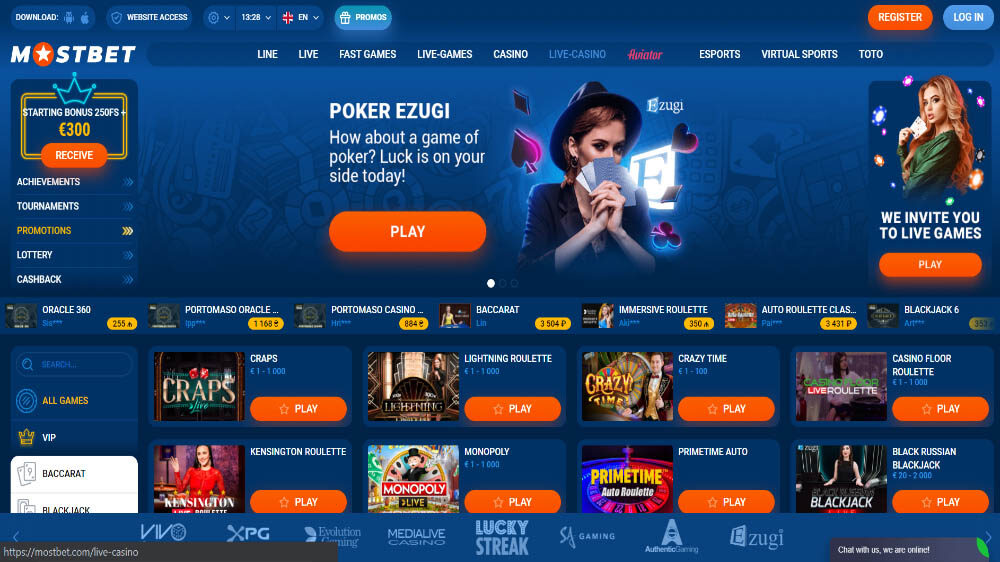
For the most authentic casino experience outside a physical venue, our Live Casino section is second to none. Operated by top-tier studios with real professional dealers streamed in high-definition, the action comes alive. Engage with the dealer and players via chat for a social, immersive atmosphere. Choose from a wide array: multiple roulette wheels, blackjack tables with various limits, game show-style titles like Dream Catcher, and niche offerings like Sic Bo. Games use real physical cards and wheels, with results determined in real-time, generating immense trust and excitement. The live casino at WinRolla brings the glamour and tension of a land-based floor directly to you, anytime.
Payment Methods: Deposits and Withdrawals in CAD
Reliable and secure banking is essential for your casino experience. For our Canadian players, we emphasize locally relevant, fast, and secure methods. For deposits, Interac e-Transfer is a popular option for its near-instant processing, high security through online banking, and widespread use across Canada. We also offer major credit cards and e-wallets, which provide an additional privacy layer. When it’s time to claim your winnings, our withdrawal process is built for clarity and efficiency. You can typically request a withdrawal using the same method you deposited with, streamlining security checks. We process requests promptly, though the time for funds to reach you depends on the method—e-wallets are often fastest, while bank transfers may take a few business days. All transactions are in Canadian Dollars, removing concerns about unfavorable exchange rates.
Choosing the Right Payment Method for You
Selecting a payment method is a individual choice based on swiftness, comfort, and confidentiality priorities. Interac e-Transfer is superb for direct bank-to-casino transfers with negligible fees. E-wallets like MuchBetter, Skrill, or Neteller act as a middleman, delivering very fast transactions and a privacy buffer, as the casino only sees your e-wallet details. Credit cards are widely accepted but may have extended withdrawal times. Review the minimum and maximum limits for deposits and withdrawals for each method, clearly listed in our banking section. We also apply responsible gambling through deposit limits, modifiable in your account settings. Always verify your account verification is complete, as this is the most critical step for seamless and timely withdrawals.
Withdrawal Procedures and Safety Checks
Upon withdrawal, initiate the process from your account’s cashier section. After choosing your amount and method, our finance team starts required security checks to meet regulations and protect your funds. These checks confirm that bonus wagering requirements are met and validate your identity through submitted KYC documents. This is why completing verification early is so helpful. Once approved, the transaction is approved. The pending period and transfer time change by method. We are committed to transparency; you can review your withdrawal status in your transaction history. Our goal is to get your winnings to you safely and as swiftly as modern financial systems allow, completing the circle of a trustworthy gaming experience.
Getting Started at WinRolla Casino
Beginning your WinRolla adventure is easy and swift https://winrolla.eu/en-ca/. First, visit our website and click the highlighted “Sign Up” button. You’ll submit a basic form requiring basic details like your email, a safe password, and your preferred currency—we conveniently support Canadian Dollars (CAD) to avoid conversion fees. Entering accurate information matching your official ID is essential for future confirmation and hassle-free withdrawals. Once your account is created, validate your email for an extra security layer. Before adding money, browse the lobby in “fun mode” on many games to familiarize yourself with the platform and our vast selection. This no-risk exploration is a fantastic way to discover favorites without any monetary commitment.
The Registration and Verification Process
Registration is your first step, and we simplify it. After first details, you may validate age and location for Canadian regulation conformity. The subsequent “Know Your Customer” (KYC) validation is a typical industry security practice. It usually involves submitting copies of a government-issued ID and a recent utility bill for address confirmation. This critical step protects you by preventing fraud, underage gambling, and identity theft, making sure winnings go to the rightful owner. We work to make verification effortless, with simple instructions and dedicated support. Finishing this process promptly significantly accelerates your first withdrawal, allowing you access real money wins without delay.
Your Initial Deposit
Adding money to your WinRolla account is structured for simplicity and safety for Canadian players. Once connected, head to the cashier section for a curated list of trusted payment methods. We offer options customized to the region, such as Interac e-Transfer (hugely popular for speed and security), credit/debit cards (VISA, Mastercard), and well-known e-wallets. Pick your method, enter the deposit amount, and follow the safe prompts—often directing you to your bank’s own portal. We use deposit limits to promote responsible play from the start. Your first deposit likely qualifies you for our generous welcome bonus package. Always read the related terms, like wagering requirements, to understand how to maximize the bonus funds and any free spins offered.
Offers and Bonuses for Canadian Players
At WinRolla Casino, we love to reward our players from the instant you sign up. Our welcome bonus package provides your bankroll a significant boost, usually with a match bonus on your first deposit plus free spins on popular slots. But liberality persists after your welcome. We sustain a full calendar of recurring promotions like weekly reload bonuses, cashback offers on net losses, “Game of the Week” promotions with extra spins, and engaging tournaments where you contend for a share of a prize pool. We also operate a systematic loyalty or VIP program where consistent play earns comp points. These points transform to bonus cash and unlock higher tiers with perks like personal account managers, faster withdrawals, exclusive bonuses, and real-world gifts.
Understanding Bonus Terms and Conditions
To guarantee the best experience with our promotions, understand the key terms attached. The most important is the Wagering Requirement, a multiplier showing how many times you must wager the bonus amount before winnings can be withdrawn. For example, a 30x requirement on a $100 bonus means placing $3,000 in total wagers. Different games add different percentages; slots often contribute 100%, while table games might contribute 10% or less. Other key terms include time limits to meet requirements, maximum bet limits while using bonus funds, and game restrictions. We show these terms clearly alongside each offer because we want you to play smart and fully savor the extra value we deliver.
Reward Programs and Ongoing Value
Our loyalty program appreciates you for choosing WinRolla as your regular gaming home. Every real money wager earns loyalty points, and as you accumulate them, you automatically ascend through tiers with progressively more valuable perks. Benefits include higher cashout limits, priority withdrawal processing, birthday bonuses, and exclusive invitations to events or new game trials. The program converts your regular gaming into a fulfilling journey where you are consistently valued and valued beyond any single session. Check your loyalty status regularly in your account profile to see progress and available rewards. It’s our way of expressing appreciation for your trust and play.
What Makes WinRolla Casino?
In a crowded online casino scene, WinRolla Casino excels as a leading choice for Canadian players wanting a perfect mix of excitement, safety, and fairness. Our base is established on a strong licensed system and state-of-the-art security technology, guaranteeing your data and funds are always protected. We pair this safety with an incredibly rich and diverse game library from the industry’s most famous developers, ensuring top-notch graphics, sound, and fair gameplay. Our substantial, transparent bonus structure and gratifying loyalty program offer continuous value. Critically, we adapt banking to the Canadian market with CAD transactions and widely used methods like Interac, making finances smooth and hassle-free. Above all, our firm commitment to responsible gaming reinforces every operation, demonstrating your well-being is our priority.
Choosing WinRolla signifies selecting a all-encompassing experience where every detail is curated for your enjoyment and peace of mind. From our simple, mobile-optimized platform to our professional, multilingual customer support accessible 24/7 via live chat or email, we aim for service excellence. We are beyond just a games platform; we are a hub committed to safe, fair, and highly entertaining real money casino action. Experience the difference a player-focused, secure online casino can make. Become a member of WinRolla Casino today, receive your welcome bonus, and explore a world of fun where you can play with confidence, knowing you are in a reliable environment created for players like you.